Why Every Landlord Should Have a Trusted Eviction Lawyer For Landlords
When to Employ a Landlord Attorney to Secure Your Rental Building Rights
Steering via the intricacies of rental residential property management can provide countless challenges for landlords. From recognizing lease contracts to resolving renter disputes, the requirement for legal knowledge usually emerges. Several property managers neglect the significance of hiring a lawyer up until faced with conflicts or potential legal actions - Landlord Attorney. Recognizing the right moments to seek legal advise can make a substantial distinction in securing one's investments and civil liberties. Steven Adair MacDonald & Partners PC. What are the critical scenarios that require such legal assistance?
Recognizing Lease Agreements and Their Implications
Exactly how can a well-crafted lease contract secure both landlords and lessees? A lease arrangement functions as a basic legal record outlining the rights and obligations of each event. For proprietors, it establishes clear terms concerning rental fee, maintenance commitments, and residential or commercial property usage, lowering the threat of misunderstandings or disagreements. Lessees take advantage of knowing their civil liberties, such as down payment problems and termination provisions. A complete lease can additionally resolve issues like late costs, pet plans, and subletting policies, making certain expectations are established from the beginning. By describing these facets, both celebrations can stay clear of possible problems, fostering a smoother rental experience. Ultimately, a well-drafted lease contract is important for keeping a healthy and balanced landlord-tenant connection and securing their corresponding passions.
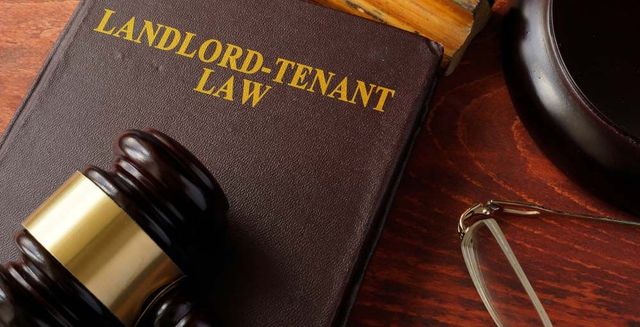
Taking Care Of Lessee Disputes Successfully
Even with a well-crafted lease agreement, conflicts between property managers and tenants can develop. Effective handling of these conflicts is vital for maintaining a positive landlord-tenant connection. Open up interaction typically offers as the very first action in dealing with issues, permitting both parties to express their concerns and look for common ground. Documenting all interactions and contracts can supply clarity and serve as proof if needed. When disputes rise, proprietors might benefit from lawful advice to recognize their commitments and rights. Making use of mediation services can likewise be an efficient means to solve problems without resorting to lawsuit. By approaching conflicts with professionalism and trust and a determination to compromise, property managers can safeguard their rate of interests while fostering a respectful atmosphere for their renters.
Navigating Eviction Processes
Navigating eviction procedures requires a strong understanding of neighborhood eviction laws to guarantee compliance and avoid potential pitfalls. Correct prep work of legal documentation is essential for a smooth change with the eviction procedures. Additionally, having court depiction can considerably affect the outcome, making it essential for property owners to contemplate lawful help.
Comprehending Eviction Regulations
When encountered with the potential need for eviction, property owners typically discover themselves bewildered by the complexities of eviction legislations. These laws vary significantly by jurisdiction, calling for property managers to comprehend particular guidelines controling notice periods, appropriate grounds for eviction, and court procedures. Knowledge with local statutes is important to avoid expensive blunders that might delay the eviction process or lead to lawful repercussions. Landlords must know renter legal rights, as inappropriate handling of expulsions can bring about conflicts and prospective insurance claims of wrongful eviction. Furthermore, many jurisdictions need proprietors to adhere to stringent procedures, such as declaring certain forms and participating in court hearings. Consequently, comprehending the details of eviction legislations is necessary for landlords seeking to secure their rental residential or commercial property rights successfully.
Preparing Legal Documentation
Recognizing eviction regulations sets the stage for landlords to prepare the necessary lawful documents effectively. To launch the eviction process, property owners need to compose a formal eviction notification that details the reasons for eviction, such as non-payment of rental fee or lease infractions. This record needs to comply with state-specific demands relating to notification durations and format. Additionally, property owners need to keep complete documents, including lease contracts, payment histories, and interaction with renters, to sustain their cases. If the circumstance intensifies, property managers may need to submit a complaint in court, which requires extra paperwork, such as proof of solution. Appropriately preparing these legal documents is vital for an effective eviction process and guarding proprietors' civil liberties throughout the procedures.
Court Depiction Significance
Although numerous landlords may attempt to handle eviction procedures independently, securing court representation can substantially affect the result of their situation. Navigating via the lawful intricacies of eviction needs an understanding of local legislations, laws, and treatments. An experienced property owner attorney can supply valuable understandings and techniques tailored to the certain situation. They can properly offer the property manager's case, ensuring all necessary documentation is sent properly and on schedule. Additionally, lawyers can expect prospective obstacles and counterarguments from lessees, boosting the possibility of a beneficial judgment. In addition, having lawful representation can prevent occupants from prolonging the eviction procedure, as they are less likely to challenge an attorney's proficiency. In general, professional legal aid is necessary for property owners seeking successful eviction results.
Addressing Lease Violations and Non-Compliance
Dealing with lease infractions and non-compliance is a vital aspect of property monitoring that requires mindful attention (Eviction Lawyer For Landlords). Identifying specific breaches of the lease agreement makes it possible for proprietors to figure out proper lawful treatments. Involving a property manager lawyer can offer useful guidance in navigating these intricate concerns effectively
Determining Lease Violations
Several property owners may encounter lease offenses at some point throughout their rental ownership. Recognizing these violations is necessary for maintaining property legal rights and ensuring conformity. Usual lease violations consist of unsettled rental fee, unapproved family pets, excessive sound, and home damage. Landlords should perform regular inspections and communicate honestly with lessees to find possible problems early. Documenting infractions with composed images and notifications assists establish a clear record. Furthermore, proprietors ought to acquaint themselves with lease terms and regional regulations to efficiently recognize non-compliance. By being watchful and proactive in keeping an eye on renter habits, property managers can guard their rate of interests and promote the stability of their rental arrangements. Recognizing these offenses early can prevent more complications down the line.
Legal Treatments Readily Available
How can landlords successfully attend to lease violations and guarantee compliance? Landlords have a number of legal remedies at their disposal. Initially, they might release formal notifications to renters outlining the specific lease offenses, giving a clear due date for resolution. If non-compliance persists, landlords can pursue eviction procedures, which require adhering to state-specific legal protocols. Furthermore, some territories permit monetary damages, allowing proprietors to recuperate lost lease or repair prices sustained as a result of tenant forget. Mediation can likewise serve as a constructive technique, facilitating negotiations between tenants and property managers to deal with disputes amicably. Consulting with a landlord attorney can further guide property managers in choosing one of the most ideal legal treatment while making sure adherence to local regulations and policies.
Making Certain Legal Conformity With Neighborhood Rental Regulations

Managing Protection Down Payments and Tenant Insurance Claims
When it concerns taking care of down payment and addressing renter cases, property owners need to navigate a landscape filled up with specific guidelines and potential disputes. Correct handling of security down payments is crucial, as failure to comply with state laws can lead to considerable charges. Landlords are typically required to offer a composed notice concerning the deposit's use and return timeline. Furthermore, documenting the residential or commercial property's condition before and after tenancy can assist alleviate disagreements over problems. When lessees make cases, such as withholding rental fee or asking for down payment reimbursements, property managers should respond immediately and professionally. Involving a landlord attorney can ensure that property owners comprehend their obligations and rights, ultimately aiding to shield their passions and maintain positive lessee connections.
Looking For Advice on Residential Or Commercial Property Maintenance and Liability Issues

Often Asked Concerns
What Are the Prices Connected With Hiring a Landlord Attorney?
The prices related to hiring a property owner attorney commonly consist of per hour rates, flat costs for details services, and prospective retainer fees. Added expenditures may arise from court filings and other lawful paperwork needs.
Just How Can an Attorney Aid With Residential Or Commercial Property Monitoring Issues?
A lawyer can aid with building management issues by offering lawful guidance, composing rental agreements, guaranteeing compliance with neighborhood laws, standing for landlords in disputes, and assisting browse occupant relationships to decrease dangers and boost operational performance.
Can I Stand For Myself in Landlord-Tenant Court?
Yes, people can represent themselves in landlord-tenant court. The intricacies of legal processes may lead to undesirable end results. Looking for specialist lawful recommendations is often advisable to navigate possible obstacles efficiently and shield one's passions.
What Are the Indications I Required Legal Assistance?
Signs that lawful assistance is needed consist of obtaining eviction notifications, experiencing lessee disputes, facing lease offenses, experiencing hard legal procedures, or feeling overwhelmed by complex laws. Seeking specialist assistance can secure legal rights and ensure conformity.
Just How Can I Discover a Certified Landlord Attorney?
To locate a certified property owner attorney, one can seek recommendations from realty specialists, search on-line legal directory sites, testimonial client reviews, and inspect bar association listings to verify qualifications and expertise in landlord-tenant law. - Steven Adair MacDonald & Partners PC
When conflicts escalate, landlords may benefit from legal guidance to understand their civil liberties and commitments. Recognizing eviction regulations sets the phase for proprietors to prepare the required lawful paperwork properly. Determining details breaches of the lease contract makes it possible for property managers to determine appropriate legal solutions. If non-compliance continues, landlords can seek eviction proceedings, which need adhering to state-specific lawful protocols. Steering via the intricacies of local rental legislations can typically leave landlords questioning their legal obligations.